

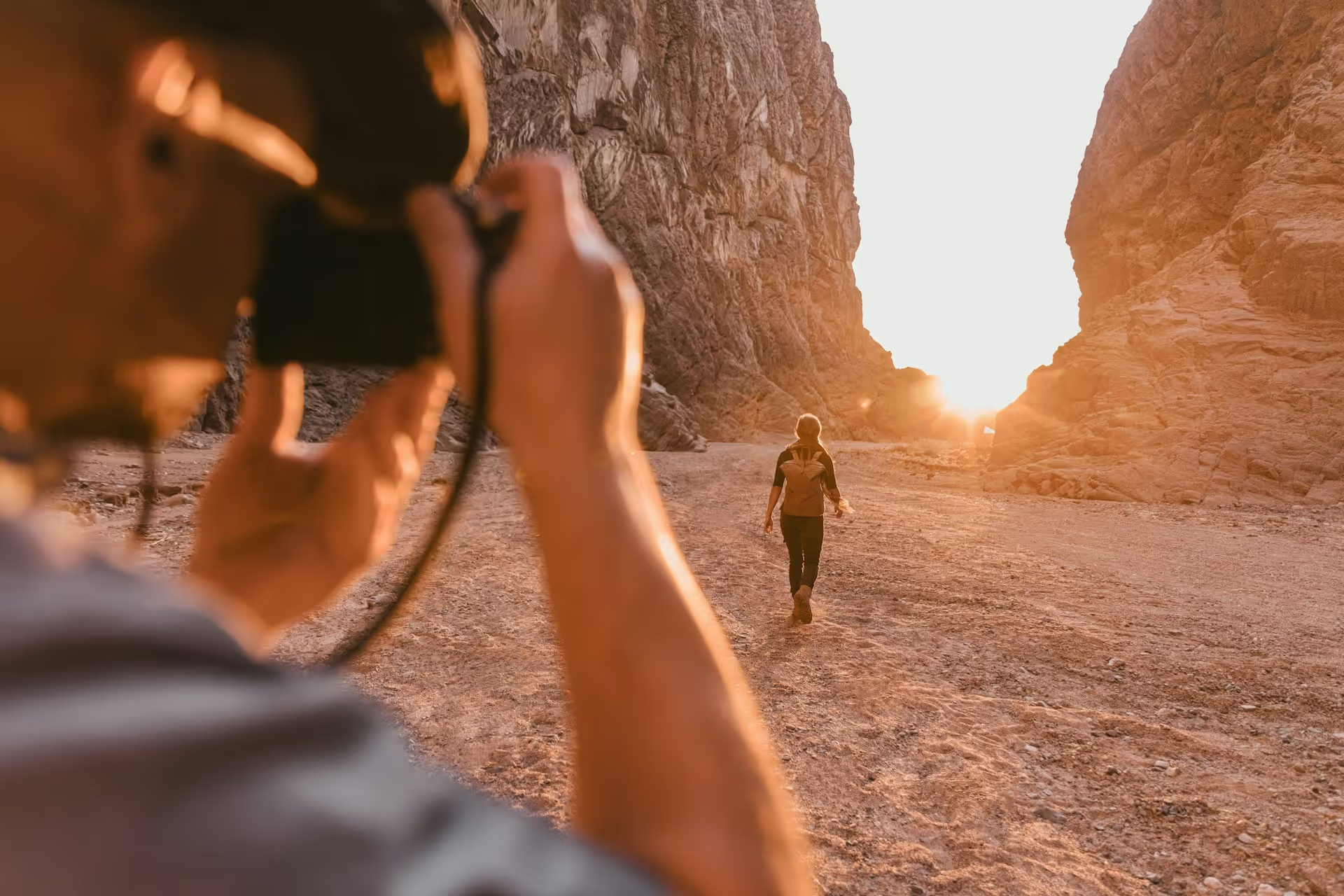
Photography in the outdoors begins long before pressing the shutter.
Pause, breathe, and notice how light changes the landscape. In Zion National Park, golden rays illuminate sandstone walls just after sunrise; at Bryce, shadows stretch dramatically between hoodoos; and in the Grand Canyon, the colors shift every few minutes.
Training your eye to see these transitions is the first step to creating photos that feel alive.
You don’t need heavy equipment to capture stunning park views.
Pro Tip: Carry gear in a small, light daypack so you can hike comfortably—photography should never slow your adventure.
As photographers, we’re also guardians of these landscapes.
Stay on marked trails, avoid fragile vegetation, and respect wildlife distance rules. Sharing beautiful images is even more meaningful when we also share responsibility for protecting these fragile ecosystems.


Connect with fellow nature lovers and build lasting friendships at our community-focused events.
Enrich your outdoor experiences through our educational activities, covering nature conservation and outdoor skills.
Enjoy a welcoming space where everyone, from newcomers to seasoned adventurers, belongs and thrives.