

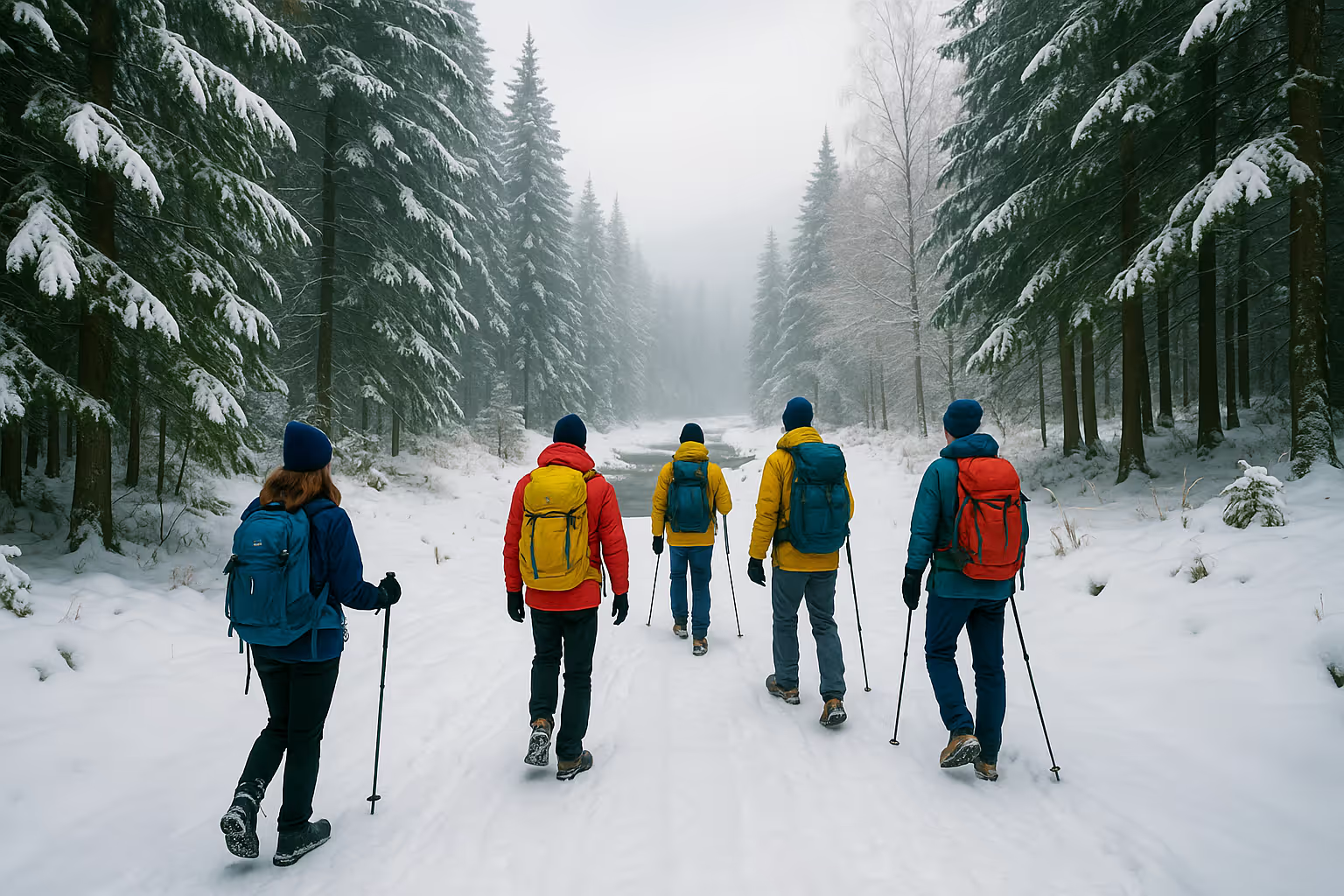
There’s something extraordinary about hiking in winter. The air feels sharper, the forests quieter, and the mountains more alive.
But winter hiking in British Columbia also brings unique challenges — cold, ice, limited daylight — that require preparation and respect for the season.
At BCoutdoorz, we’ve led countless winter adventures across the North Shore Mountains, Garibaldi, Manning Park, and beyond. Here’s how to get ready for your first cold-weather hike with confidence.
Keywords: winter hiking BC, beginner winter hikes, snowshoeing British Columbia, hiking gear for winter, outdoor community Canada, safety tips hiking in snow.
Layering is the secret to comfort.
Pro Tip: Pack light but smart — cold-weather clothing is about layers that breathe, not bulk.
BC’s winter trails can be icy even on sunny days.
Keywords: winter hiking gear BC, microspikes, snow traction, hiking poles, hiking safety equipment.
Cold air burns calories fast.
A warm drink (like tea or hot chocolate) can lift spirits and body temperature during breaks.
Before you go, check:
Never underestimate how quickly conditions can change — blue skies can turn to blizzards within hours in the mountains.
Start simple and build confidence.
Some of BC’s best introductory winter hikes include:
Join a guided BCoutdoorz hike to learn the ropes with experienced leaders before venturing out solo.
Keywords: winter hiking safety BC, cold weather hiking tips, outdoor winter training, hiking community British Columbia.
Winter hiking isn’t about rushing — it’s about listening.
The muffled sound of snow under boots, the glitter of frost on trees, the quiet companionship of others — these are the moments that make BC’s winter trails so special.
Take photos, share smiles, and leave only footprints in the snow.
Our community hosts weekly winter hikes and snowshoe adventures across BC — perfect for beginners and experienced hikers alike.
With supportive leaders, proper safety gear, and plenty of good company, you’ll discover how incredible this season can be.


Connect with fellow nature lovers and build lasting friendships at our community-focused events.
Enrich your outdoor experiences through our educational activities, covering nature conservation and outdoor skills.
Enjoy a welcoming space where everyone, from newcomers to seasoned adventurers, belongs and thrives.